
I’m Me is an AHRC funded project lead by Professor Matthew Reason that will work with learning disabled and autistic artists as peer and creative researchers to explore questions of … Continue reading
Welcome

Matthew Reason is Professor of Theatre and Director of the Institute for Social Justice at York St John University.
This site incorporates an incomplete archive of projects.
Current Projects
Edited by Matthew Reason, Lynne Conner, Katya Johanson and Ben Walmsley. Forthcoming 2021. Without an audience there is arguably no performance. Yet for a long time the serious and systematic … Continue reading

Routledge Companion to Audiences and the Performing Arts
Projects Archive
A portfolio of research and practice in the areas of audiences, narrative, theatre and dance.
Thanks to the hard work and dedication of Kaori Nakayama, my book The Young Audience has been translated and published in Japanese (2018). To mark this publication the book has … Continue reading Edited by Matthew Reason, Lynne Conner, Katya Johanson and Ben Walmsley. Forthcoming 2021. Without an audience there is arguably no performance. Yet for a long time the serious and systematic … Continue reading After watching a dance performance with friends we often leave the theatre and find ourselves asking each other, ‘What did you think?’ Or perhaps, alternatively, ‘Did you enjoy it?’ That … Continue reading I’m Me is an AHRC funded project lead by Professor Matthew Reason that will work with learning disabled and autistic artists as peer and creative researchers to explore questions of … Continue reading Matthew Reason with photographs by Chris Nash Photography has long been utilised as a medium that allows us to capture, see and reflect upon the world around us. This is … Continue reading Drawing is at once immediate, and yet takes time. The marks on paper – pencil, crayon, ink, pen – appear instantly, they are real and absolute, but the process as … Continue reading Intellect, 2014 Edited Dee Reynolds and Matthew Reason A key interdisciplinary concept in our understanding of social interaction across creative and cultural practices, kinesthetic empathy describes the ability to experience … Continue reading The Watching Dance project used qualitative audience research and neuroscience to explore how dance spectators respond to and identify with dance. It was a multidisciplinary project, involving collaboration across four … Continue reading 5 Soldiers, by the Rosie Kay Dance Company, is a contemporary dance performance that looks at how the human body remains essential to war, even in the 21st century. In … Continue reading ‘Where in your body?’ is a single question online audience research survey, piloted for performances of 5 Soldiers by Rosie Kay Dance Company and now also disseminated to Scottish Ballet … Continue reading Trenthem Books 2010. “This inspirational book, that cares passionately about the child’s gaze, should be welcomed and cherished.” (Tony Graham Artistic Director, Unicorn Theatre) “…a colourful and fascinating account of … Continue reading Palgrave, 2006 The documentation of practice forms one of the principal concerns of performance studies, provding an ongoing dilemma for theorists and practitioners alike who at once celebrate the ephemerality … Continue reading Archive, Empathy, Memory: The Resurrection of Joyce Reason This paper uses the prism of archival, ancestral research to consider the nature of our relationship to the lives of the … Continue reading The International Centre for Arts and Narrative (ICAN) is a collaborative project between York St John University and York Theatre Royal. The focus of ICAN is to develop research and … Continue reading Does giving children plasticine help when interviewing them about watching dance? I have previous used visual arts workshops with groups of spectators to explore their experiences of dance and theatre. … Continue reading Promotional slogan, mystical evocation, or marker of ontological difference? ‘Liveness’ in contemporary performance is a highly contested term. Experiencing Liveness in Contemporary Performance, edited by Matthew Reason and Anja Molle … Continue reading Suitcase Stories is a Natural Environment Research Council (NERC) funded public engagement project that used storytelling to explore climate adaptation with young people. When we talk about climate change and … Continue reading One of my earliest pieces of research into theatre audiences explored young people’s perceptions of liveness in performance. Theatre is frequently defined by its ‘liveness’: that is by how it … Continue reading During a conference in Melbourne in March 2018, Anne Kershaw of Deakin University asked me to do a video interview for their PG arts management students. Questions: Tell us about … Continue reading Over the past decade the work of disabled performers in theatre and dance has received an increasingly high profile, wider audiences and presentation in established venues and festivals. At the … Continue reading
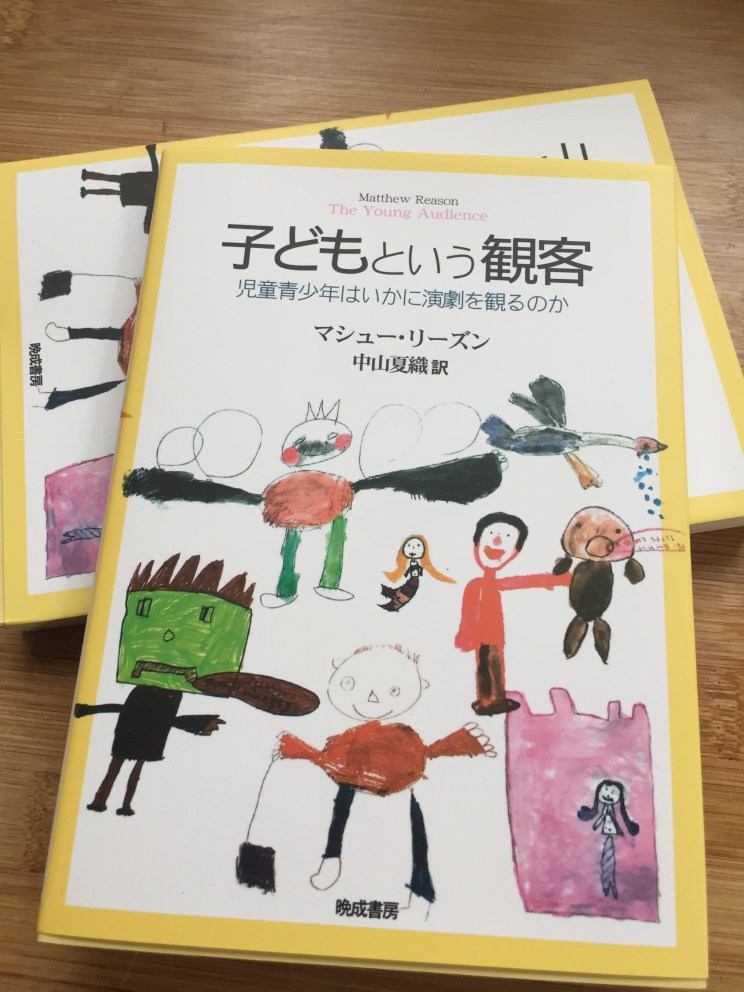
The Young Audiences – Japanese Translation & New Forward
Routledge Companion to Audiences and the Performing Arts

Creative Writing and Audience Research

“I’m Me”: Peer and Creative Research with Learning Disabled and Autistic Artists
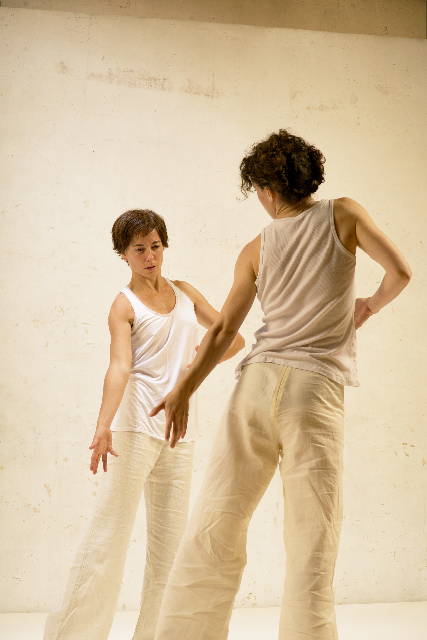
Photography & the Representation of Kinesthetic Empathy
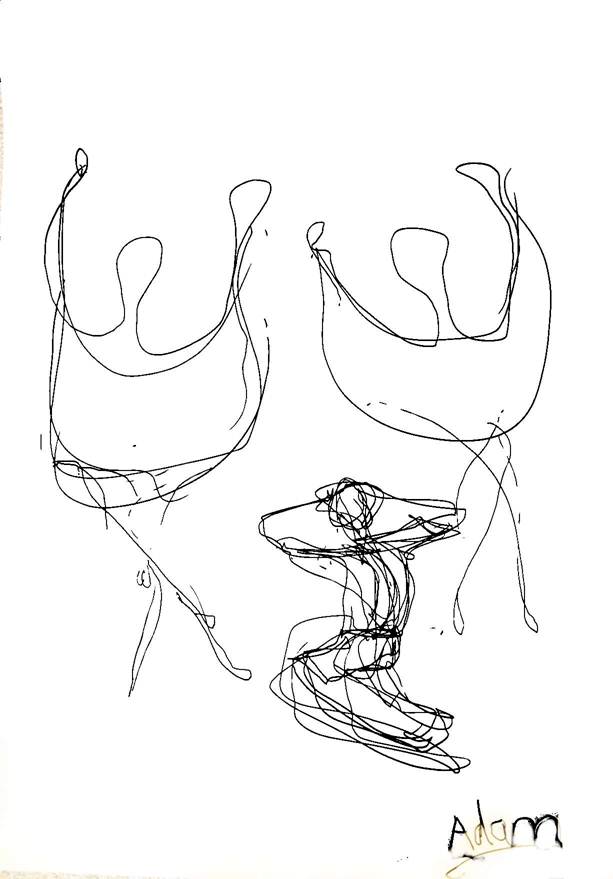
Drawing and Audience Research

Kinesthetic Empathy in Creative and Cultural Contexts

Watching Dance: Kinesthetic Empathy

5 Soldiers Audience Research

Where in your body?

The Young Audience: Exploring and Enhancing Children’s Experiences of Theatre
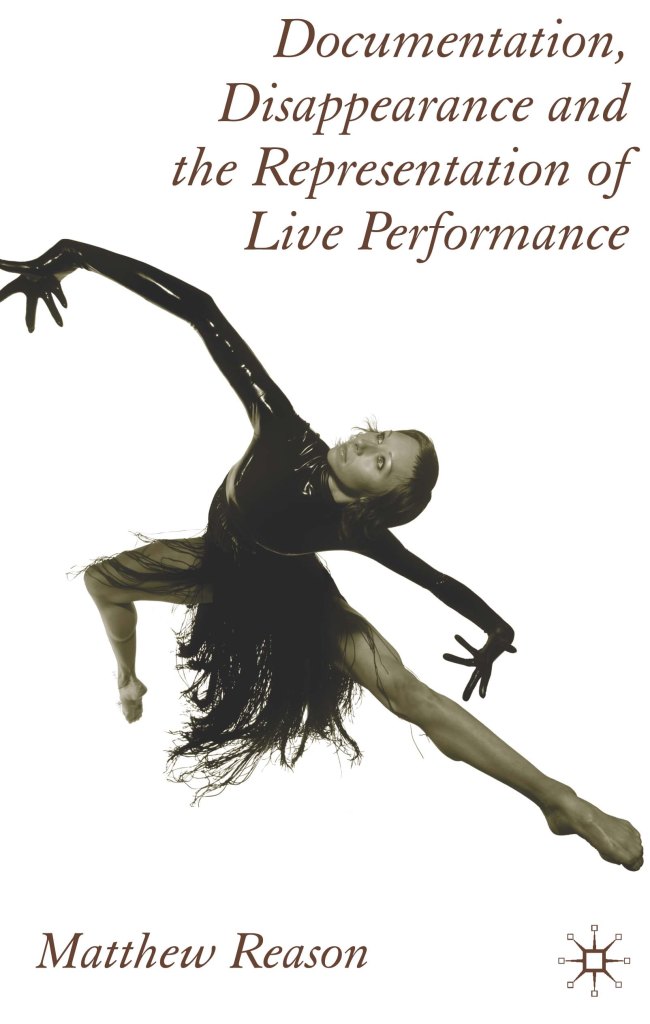
Documentation, Disappearance and the Representation of Live Performance

Archive, Empathy, Memory

International Centre for Arts and Narrative

Researching with plasticine
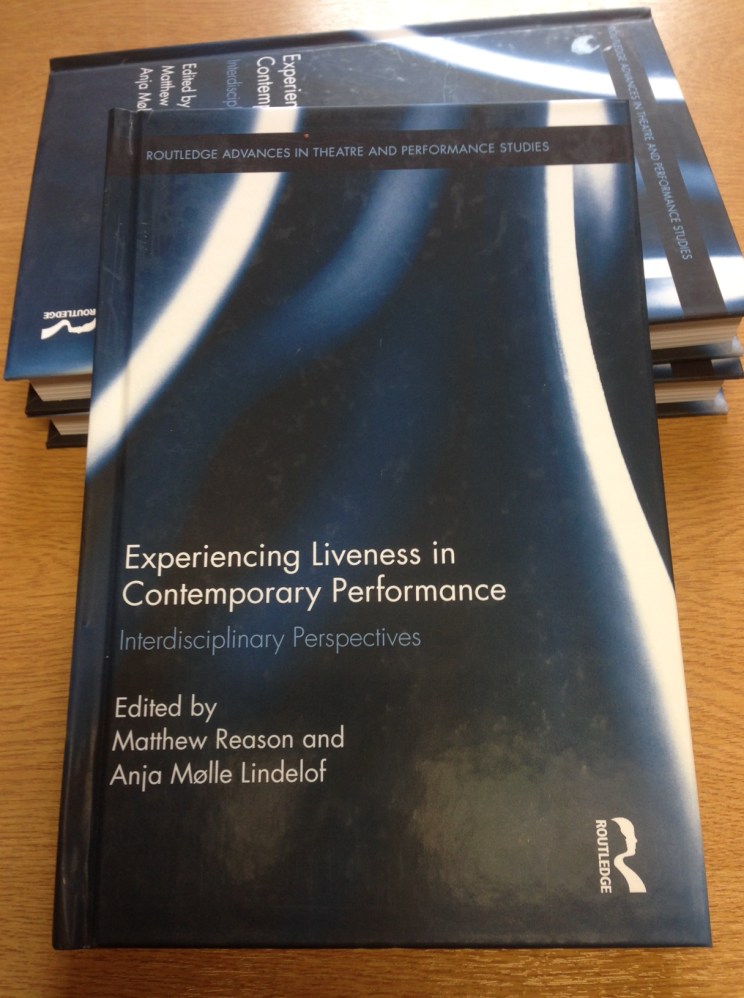
Experiencing Liveness in Contemporary Performance

Suitcase Stories
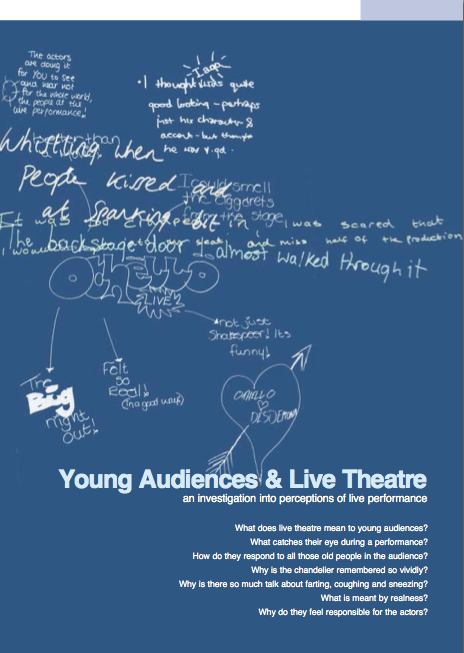
Young Audiences and Live Theatre
Video Interview, Deakin University (Aus)

Theatres of Learning Disability

